
Basement Waterproofing Before Heavy Rains: Your Fall Checklist
As fall rainstorms move in, it’s critical to make sure your basement is ready. Water intrusion doesn’t just damage belongings—it can weaken your foundation and fuel mold growth. This basement waterproofing checklist will help protect your home before the weather turns worse.
Here’s what every Charlotte homeowner should check before the rainy season:
✅ 1. Inspect for Visible Cracks
Look for hairline or wider cracks in basement walls and floors. These often allow moisture to seep in. Sealing them early can prevent bigger issues.
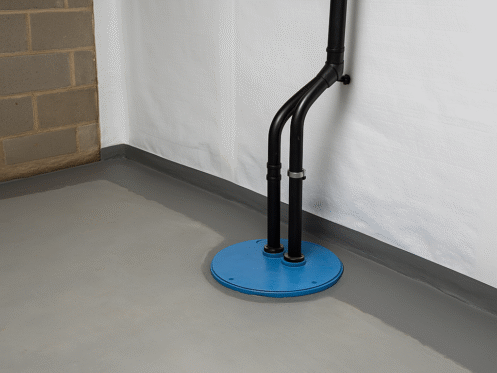
✅ 2. Test Your Sump Pump
Pour water into your sump pit to confirm the pump activates and drains properly. A failed sump pump is one of the most common causes of basement flooding.
✅ 3. Clean & Extend Downspouts
Make sure gutters are clear and downspouts direct water at least 6 feet away from the foundation. Pooling water around your home spells trouble.
✅ 4. Consider a Vapor Barrier
Installing a vapor barrier can prevent ground moisture from rising into the basement, especially in humid areas or homes with older concrete slabs.
✅ 5. Check for Musty Odors or Efflorescence
White powdery residue (efflorescence) on basement walls signals past water issues. A musty smell often means moisture is already in the air.
✅ 6. Schedule a Waterproofing Inspection
A professional can detect hidden moisture problems, assess drainage, and recommend the right system—like interior drains, sealed sump basins, or full encapsulation for crawl spaces.
👉 Book your free basement waterproofing estimate today. We’ll help you prevent leaks before they happen.
