
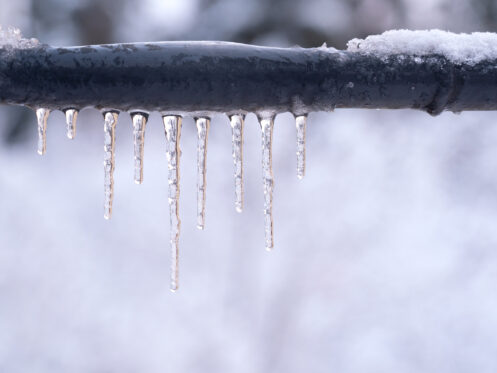
Winter in North Carolina brings a unique challenge for homeowners: freeze-thaw cycles. These cycles occur when temperatures drop below freezing, causing any moisture in the ground or in small cracks in concrete to freeze and expand. When temperatures rise, the ice thaws, causing it to contract. This continuous freeze-thaw process can impact crawl spaces, basements, and the overall foundation, leading to moisture damage and structural issues.
Understanding how freeze-thaw cycles affect your Raleigh or Concord home, and what you can do about it, can help prevent costly repairs and protect the integrity of your crawl space and basement.
The Freeze-Thaw Cycle and Its Impact on Your Home’s Foundation
North Carolina winters bring temperature fluctuations that create the ideal conditions for freeze-thaw cycles. When water seeps into small cracks or gaps in foundation walls or concrete floors, it can freeze during cold nights, expanding and widening the cracks. As temperatures warm, the ice melts and contracts, allowing more water to infiltrate. Over time, this cycle can create wider, deeper cracks, compromising the structural stability of the foundation.
In crawl spaces and basements, the effects of freeze-thaw cycles often lead to:
- Foundation cracks: As cracks expand, they provide an entry point for water to seep in, increasing the risk of moisture damage and structural instability.
- Moisture damage: Moisture in crawl spaces and basements can lead to mold growth, mildew, and wood rot, which can spread and cause damage to other areas of the home.
- Increased humidity: Moisture trapped in crawl spaces can elevate indoor humidity, creating an ideal environment for mold and negatively impacting indoor air quality.
- Uneven floors and walls: As the foundation is stressed by freeze-thaw cycles, shifting can cause uneven floors and misaligned walls.
How To Protect Crawl Spaces and Basements During NC Winters
To protect your crawl space, basement, and foundation from freeze-thaw cycle damage, there are several steps you can take to minimize moisture buildup and prevent further structural issues.
1. Waterproof and Seal Cracks in the Foundation
Inspect your crawl space or basement for visible cracks in the walls or floor. Sealing these cracks with a waterproof sealant will help prevent water from seeping in and causing expansion during freeze-thaw cycles. Consider having a professional apply a waterproof membrane to exterior walls as an additional barrier.
2. Improve Drainage Around the Foundation
Poor drainage can increase the likelihood of water pooling near your foundation, which increases the risk of water infiltration. Ensure gutters and downspouts are directing water at least six feet away from the foundation, and consider installing a French drain if water pooling persists.
3. Use a Dehumidifier in Crawl Spaces and Basements
Using a dehumidifier in your basement or crawl space during winter months can reduce indoor humidity levels, minimizing the potential for mold growth and moisture damage. Keeping humidity under control also reduces condensation and protects wood and other materials from moisture-related damage.
4. Insulate Your Crawl Space and Basement
Insulation and crawl space encapsulation can help stabilize the temperature in your basement or crawl space, preventing moisture buildup from condensation. Insulating foundation walls and floors can also help reduce the chances of ice forming in these areas during particularly cold winters.
5. Regularly Inspect Your Foundation
Regular inspections, especially after temperature fluctuations, can help catch issues early before they develop into significant problems. Take note of any new cracks or damp spots and address them promptly to prevent further damage from the freeze-thaw cycle.
Reach Out to RhinoLift Foundation Solutions for Foundation Repair
If you’re concerned about how freeze-thaw cycles are affecting your crawl space, basement, or foundation, RhinoLift Foundation Solutions in Concord, NC, can help. Our team specializes in identifying and addressing moisture damage and foundation issues, as well as basement repair, and we offer free inspections to assess your home’s needs. Contact RhinoLift Foundation Solutions today to schedule your inspection and protect your North Carolina home from winter’s impact on your foundation or crawl space.
FAQs About Foundation Repair in North Carolina
Can freeze-thaw cycles cause problems even if my foundation is relatively new?
Yes, even new foundations can be affected by freeze-thaw cycles if there are small cracks, improper drainage, or insufficient waterproofing. Early prevention and regular inspections are important regardless of your home’s age.
Are there warning signs of freeze-thaw damage that homeowners often overlook?
Some subtle signs include minor sticking doors or windows, faint musty odors in the basement or crawl space, or small, recurring puddles after winter thaws. These can indicate early-stage moisture intrusion or shifting that may worsen over time.
How does crawl space encapsulation help during North Carolina winters?
Encapsulation creates a moisture barrier and helps regulate temperature, reducing the risk of condensation and ice formation. This not only protects against freeze-thaw damage but also improves indoor air quality and energy efficiency.
Is it safe to DIY foundation crack repairs, or should I always call a professional?
While small, surface-level cracks can sometimes be sealed with store-bought products, deeper or recurring cracks, or those accompanied by moisture, should be evaluated by a foundation specialist. Professional assessment ensures underlying issues are properly addressed and prevents future damage.
