If you’re looking into crawl space encapsulation, you probably want a straight answer on cost before you pick up the phone. We get it. The honest answer is that it depends on your crawl space, but we can give you a realistic picture of what drives the price, what typical ranges look like, and how to know if it’s the right investment for your home. At RhinoLift, we provide free inspections with clear pricing so you know exactly what you’re paying for before any work begins.
What Is Crawl Space Encapsulation?
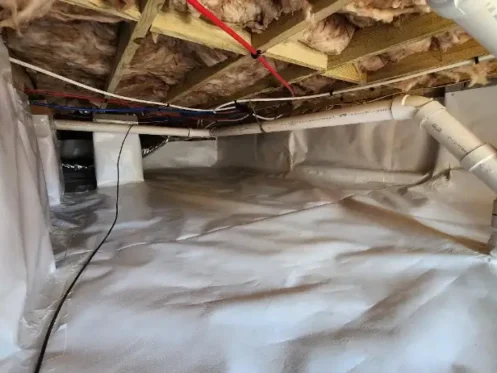
Crawl space encapsulation is the process of sealing your crawl space off from outside air, ground moisture, and humidity. A heavy-duty vapor barrier is installed across the floor and walls, vents are sealed, and in most cases, a dehumidifier or drainage solution is added to keep conditions stable year-round.
In North Carolina, this matters more than most places. Our humid summers, clay soils, and heavy rainfall create the perfect conditions for moisture to build up under your home. Without encapsulation, that moisture leads to mold, wood rot, pest problems, and air quality issues that eventually affect the rooms above.
Average Cost of Crawl Space Encapsulation in NC
For most homes in the Charlotte and greater North Carolina area, full crawl space encapsulation typically ranges from $5,000 to $15,000. That’s a wide range because every crawl space is different.
A smaller crawl space that’s in decent shape and just needs a vapor barrier and vent sealing will fall on the lower end. A larger space with standing water, existing damage, or drainage needs will cost more because there’s more work involved before encapsulation can even begin.
We don’t do cookie-cutter pricing. After an inspection, we provide a detailed quote that breaks down the cost so you can see exactly where your money is going.
What Affects the Cost?
Several factors determine what your encapsulation project will actually cost:
- Size of the crawl space: Larger crawl spaces require more material and labor. Most contractors price partially by square footage, so this is usually the biggest variable.
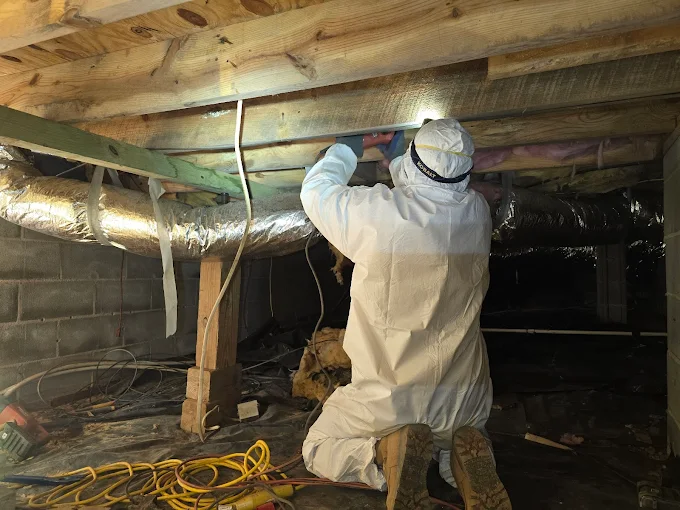
- Current condition: If there’s standing water, mold, or structural damage, that has to be addressed before encapsulation. Think of it like painting a wall: you have to prep the surface first or the work won’t hold.
- Type of vapor barrier: Barriers come in different thicknesses and materials. A 20-mil commercial-grade barrier costs more than a 6-mil sheet, but it lasts significantly longer and provides better protection.
- Drainage needs: Some crawl spaces need a sump pump, interior drain, or grading work to manage water before sealing the space. If water is actively getting in, a vapor barrier alone won’t solve the problem.
- Dehumidifier: A crawl space dehumidifier is often part of a full encapsulation system. It keeps humidity below the threshold where mold and rot can develop, even during North Carolina’s worst summer months.
- Accessibility: Tight crawl spaces with difficult entry points take more time and effort to work in, which can affect labor costs.
- Existing damage: If floor joists are rotting, supports are sagging, or insulation is falling down, those repairs need to happen first. Encapsulating over existing damage just hides the problem.
Is Crawl Space Encapsulation Worth It?
For most homes in North Carolina, yes. Here’s why.
An unencapsulated crawl space in our climate is basically an open invitation for moisture, mold, and pests. The damage that follows is slow but expensive: rotting supports, failing insulation, HVAC strain, and air quality problems that affect your family’s health.
Encapsulation addresses all of that at once. Homeowners typically see lower energy bills, fewer allergy issues, more stable floors, and better humidity control throughout the house. It also protects your home’s resale value. Buyers in the Charlotte and Charleston markets are increasingly aware of crawl space conditions during inspections.
The upfront cost is real, but it’s almost always less than what you’d pay to repair the damage that builds up over 5 to 10 years without it.
How To Get an Accurate Estimate
Online cost calculators can give you a ballpark, but they can’t see your crawl space. The only way to get a real number is to have someone inspect it.
During a RhinoLift inspection, our specialist evaluates the size of the space, checks for moisture and damage, takes readings, and documents everything. You’ll receive a clear explanation of what’s happening, what needs to be fixed, and a detailed quote with no hidden fees. There’s no pressure and no obligation. We’d rather tell you the truth about what your crawl space needs than sell you something it doesn’t.
FAQs About Crawl Space Encapsulation
How long does crawl space encapsulation last?
A properly installed encapsulation system can last 20 years or more. The vapor barrier itself is extremely durable, and dehumidifiers typically need servicing or replacement after 8 to 12 years.
Can I encapsulate my crawl space myself?
You can install a basic vapor barrier, but full encapsulation involves sealing vents, managing drainage, and controlling humidity in a way that requires professional equipment and experience. DIY jobs often miss critical steps that lead to problems down the road.
Does encapsulation help with energy bills?
Yes. Sealing the crawl space reduces the amount of unconditioned air entering your home, which means your HVAC system doesn’t have to work as hard. Many homeowners notice a difference within the first few months.
How long does installation take?
Most encapsulation projects are completed in one to two days, depending on the size of the crawl space and whether additional prep work like drainage or structural repair is needed.
Protect Your Crawl Space Before Problems Add Up
The cost of encapsulation depends on your specific home, but getting a clear answer starts with an inspection. If you’re in the Charlotte, NC, or Charleston, SC area, schedule a free crawl space evaluation with RhinoLift. We’ll tell you exactly what’s going on underneath and give you honest options to fix it.
Reviewed by Josh Kyle Davis, CEO at RhinoLift Foundation Solutions. Licensed General Contractor in NC and SC with 10 years of foundation, crawl space, and structural repair experience.
